
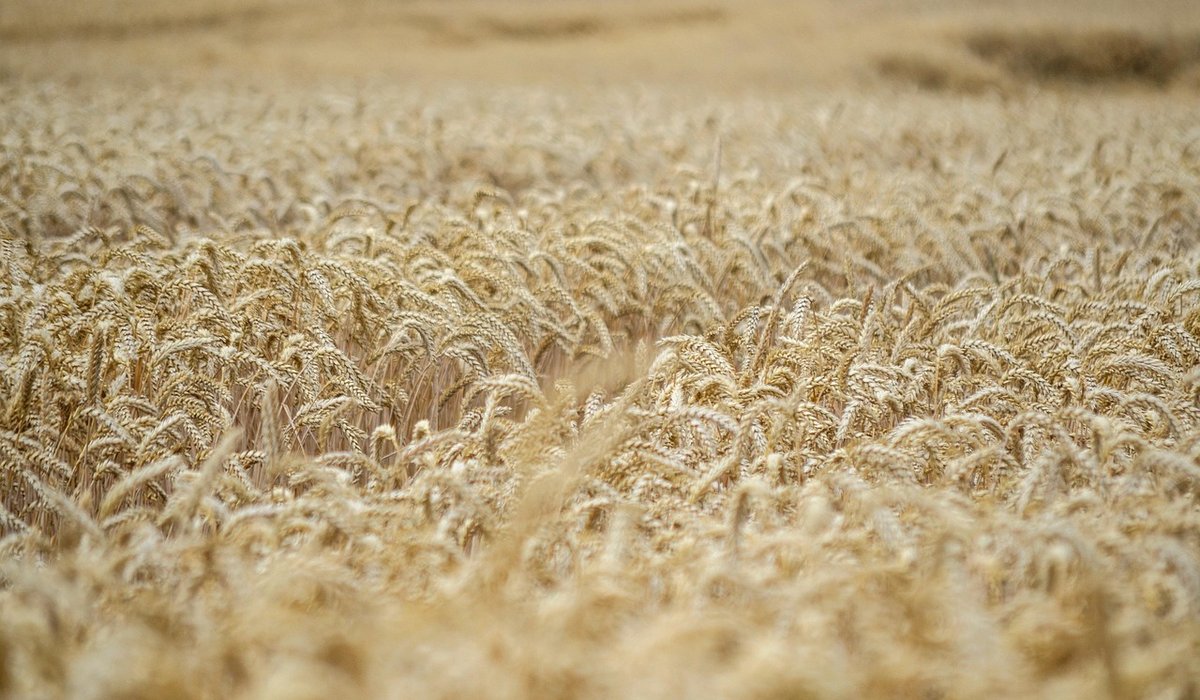
A Year of Foraging on the Heath
Reading the Heath Through the Year
Heathland is a strange, generous sort of landscape. On the surface it looks sparse — a low quilt of ling and bell heather, gorse scratching at your coat, silver birch and Scots pine at the edges, sandy tracks that burn your boots in August and flood in February. Yet once you learn its rhythms, a lowland heath will feed you well from March to December. Bilberries, mushrooms, pine needles, gorse flowers, rosehips and sloes are all there for the taking, if you know where to look and — just as importantly — when to stop.
What follows is a forager's calendar, drawn from years of walking the same heaths in Surrey, Hampshire and the New Forest. Treat it as a starting point rather than a rulebook. Every site is different, and the byelaws that govern it matter far more than any advice from a stranger.
Spring: Pine Tips, Gorse and the First Green
By late March the heath is waking up, and the first genuinely useful forage is the new growth on Scots pine. Look for candles — the pale, soft shoots pushing up from the tips of branches. They are resinous, citrusy and full of vitamin C. Snip a handful into a bag and steep them in hot water for a tea, or simmer with sugar for a pine syrup that will keep for months in the fridge. Make absolutely certain you have pine and not yew: yew needles are flat, dark and arranged along the twig, and every part of the tree except the red aril is poisonous.
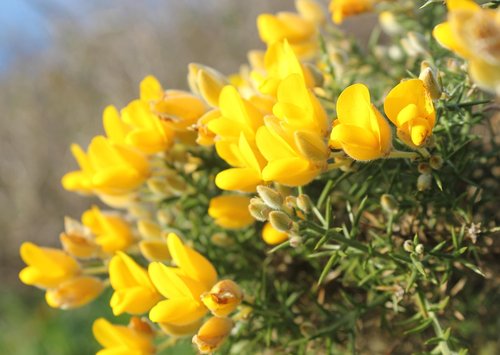
Gorse flowers appear in earnest through April, bright yellow and smelling of coconut. They make a fine country wine or an infused vinegar, though the bushes are unforgiving — long sleeves, gloves and secateurs are not optional. Nettle tips, sorrel and the young leaves of wood sorrel all show up along the shaded edges where the heath meets woodland.
Spring is also the season to tread lightly. Nightjars, woodlarks and Dartford warblers nest on the ground and in low scrub, and a dog off the lead or a stray boot can end a brood in seconds. Stay on the paths.
Summer: Bilberries and the Art of Purple Fingers
Bilberries — whortleberries, blaeberries, wimberries, depending on where you are standing — are the great prize of a British heath. They fruit from late June into August, on low, wiry bushes with small oval leaves and greenish-pink bell flowers. The berries are tiny, black when ripe and dusted with a grey bloom. Picking them is slow, meditative work: expect a couple of hours for a pound of fruit, and expect your fingers to stay purple for days.
There is a technique to it. Cup one hand beneath a cluster and roll the berries off with the other, rather than pinching them one at a time. Take only from the middle of a stand and leave the outer bushes for the birds. A bilberry and apple jam, or a bottle of bilberry gin, is a proper reward for a hot afternoon's crouching.
Heather flowers come into their own in late summer too. A handful of flowering ling, picked sparingly, makes a fragrant jelly or a traditional heather ale. Do not strip a whole bank — the bees need it far more than you do.
Autumn: The Mushroom Months
From September the heath turns into a larder, provided you are cautious and patient. Birch woodland and birch-heath edge is where you will find the penny bun, or cep — a stout, brown-capped bolete with a network of white veins on the stem rather than gills. Pale, firm and nutty, it is the best eating on the heath. Saffron milk caps grow in rings beneath two-needle pines, oozing orange milk when cut. Chanterelles favour mossy, acidic ground under birch, and hedgehog fungus hides in the leaf litter nearby.
Two rules keep you safe. First, never eat a mushroom you cannot identify with total certainty, and take a spore print if there is any doubt. Second, learn the dangerous lookalikes. The deadly webcap grows in precisely the same heathland habitat as the chanterelle; a mistake there is not a stomach upset, it is a hospital trip. If you are new to fungi, go out with someone experienced for a full season before you cook anything.
A basket, a sharp knife and a field guide will serve you better than a plastic bag, which crushes the crop and accelerates spoilage.
Winter: Rosehips, Sloes and Pine Needle Syrup
Once the frosts arrive, attention shifts to the hedgerows at the heath's edge. Rosehips hang red and firm on dog rose and briar — simmer them gently for syrup or ketchup, but never eat them raw, as the fine hairs inside the fruit are a memorable irritant. Sloes on blackthorn are best after the first hard frost, when the astringency softens; pick them for gin and leave them steeping until the following winter. Hawthorn berries, rowan and crab apples all have their uses if you know how to handle them.
Rules, Byelaws and Foraging Kindly
Most British heathland is not simply open ground. It is common land, a Site of Special Scientific Interest, a nature reserve or, in some parts of the country, an active military range. Each has its own rules, and they take precedence over any general right to roam.
- Check the byelaws. Contact the site manager — county wildlife trust, commoners' association, National Trust or the local authority — before you plan a trip. Some heaths permit personal foraging; others prohibit it entirely, and many restrict it to particular seasons or species.
- Never dig up a plant. Uprooting any wild plant without the landowner's permission is an offence, and on protected sites it can carry a serious penalty.
- Take only what you can use. A modest bag for the kitchen is very different from a rucksack for the market. Commercial picking from the wild is illegal in most circumstances, and it strips a habitat that supports rare insects and reptiles.
- Leave the rare things alone. Sundews, marsh gentians, bog asphodel and the various orchids of wet heath are not ingredients. Photograph them and move on.
- Shut gates, take your litter home, keep dogs under close control in nesting and grazing seasons.
Forage for the pleasure of understanding a place, not just the contents of your basket. Do that, and the heath will keep giving for years.
tag: Foraging

Eleanor Hartley Author
Plan your land, budget and daily routine before buying livestock or seeds. Careful preparation makes the transition to rural life far smoother.
YOU MAY ALSO LIKE
Starting a Smallholding: First Steps for Beginners
Sep 26
10Consider acreage, shelter and daily time commitments before adding animals. Hens, sheep or goats each bring different rewards and challenges to a holding.
read more
Choosing the Right Livestock for a Small Farm
Sep 23
10Create a sturdy home for your flock using pallets and reclaimed timber. Good ventilation and secure latches keep birds safe from foxes and bad weather.
read moreSmallholding
-

ERRIC CATONA
From spring lambing to autumn preserves, each season brings its own rhythm. Keep a flexible plan so weather and wildlife do not derail essential jobs.
May 19, 2016 at 5.12 pm
Reply
ERRIC CATONA
Identify broad green leaves and a distinct garlic scent before picking. Use the leaves in pesto, soups and butters for a fresh spring flavour.
May 19, 2016 at 5.12 pm
Reply -
ERRIC CATONA
Learn to recognise sloes, damsons and blackberries safely. Always leave plenty for birds and avoid busy roads when gathering your harvest.
May 19, 2016 at 5.12 pm
Reply
Foraging
Your email address will not be published.