

Foraging for Wild Garlic in Ancient Woodlands
The Scent That Gives the Game Away
Walk into the right patch of ancient woodland on a mild morning in late March and you will smell it before you see it: a green, pungent, garlicky haze drifting over the first bluebells. Wild garlic, known in many parts of Britain as ramsons, is one of the great free gifts of the countryside year, and it grows in such generous carpets that a careful harvest does it no harm at all.
The leaves are at their best from late February through to early May, before the starry white flowers open. After that the foliage turns coarse and bitter, the bulbs shrink back, and the whole wood quietly empties itself of the stuff until next spring. If you have never cooked with it, you are missing one of the genuine luxuries of smallholding life — and it costs nothing but a walk.
How to Identify Wild Garlic Confidently
Everything rests on two things: the leaf and the smell. Get those right and you will not go far wrong.
The leaf. Broad, soft and lance-shaped, roughly 10–25cm long, growing singly from the base rather than in pairs on a stem. The colour is a fresh mid-green, faintly glossy on top, paler and softly ribbed underneath. Crush one between finger and thumb and the scent is unmistakable — fresh garlic with a green, oniony edge.
The lookalikes. A few plants in the same woods are seriously poisonous, so the smell is your safety net. If a leaf does not smell of garlic, put it down and walk on.
- Lily of the valley — poisonous. Leaves appear in pairs on a single stalk, often with a slight blue-green tinge, and have no garlic scent.
- Lords-and-ladies, or cuckoo pint — toxic. Arrow-shaped, glossy and leathery, sometimes spotted with dark blotches.
- Autumn crocus leaves — highly toxic and around at the same time of year. Narrower, darker green, and again completely scentless.
One further comfort: wild garlic grows in crowds. A single lonely leaf with no neighbours is worth a second look before it goes in the basket.
Where to Look — and What the Law Allows
Ramsons likes damp, shaded, slightly acid ground. Think ancient semi-natural woodland, stream banks, shaded lanes and old hedge banks, usually in the company of dog's mercury, wood anemone and emerging bluebells. The soil it favours stays cool and moist well into summer, which is why the best patches are often along a ditch or at the foot of a slope.
On the legal side, keep it simple. In England and Wales, picking leaves and flowers for personal use is fine on land you have a lawful right to be on, but uprooting any wild plant without the landowner's permission is an offence under the Wildlife and Countryside Act 1981. The right to roam covers open country, down, heath and registered common land — not woodland — so stick to public footpaths and permissive paths. In Scotland, responsible access allows picking for personal consumption but never uprooting. Nature reserves, Sites of Special Scientific Interest and land managed by conservation charities often have their own byelaws, so check before you fill a bag.
Picking Well: Leave the Woods As You Found Them
Take one or two leaves from each plant and no more. Snip with scissors or pinch cleanly with your fingernails; never pull, because a tug can lift the bulb and end that plant for good. Harvest from the middle of a large patch rather than the fringes, which are more likely to have been visited by dogs, and leave the flowers to set seed so next year's carpet is every bit as thick.
A cloth bag or a basket beats a plastic bag, which makes the leaves sweat and rot within hours. Wash them in cold water, dry them in a tea towel, and use them within a day or two — cut wild garlic fades fast. Avoid roadside verges and field edges where spraying may have taken place, and give anything growing below knee height beside a popular dog-walking route a miss.
In the Kitchen: Pesto, Soup and Compound Butter
The flavour is gentler than a garlic clove — more green and onion-like — and heat softens it, so add the leaves late wherever you can.
- Pesto — blitz 100g of leaves with 50g of toasted hazelnuts, 50g of grated hard cheese, the zest and juice of half a lemon and about 150ml of rapeseed oil. Season, spoon into a jar and cover with a film of oil. It freezes beautifully in ice-cube trays.
- Soup — soften a leek and a diced potato in butter, add a litre of stock, simmer until tender, then stir in a large handful of shredded leaves and blitz at once. Seconds, not minutes, and the colour stays a vivid green. A grating of nutmeg finishes it.
- Wild garlic butter — beat 100g of soft butter with 25g of very finely chopped leaves, a little lemon zest and flaky salt. Roll it in greaseproof paper, chill, and slice over new potatoes, asparagus or a grilled steak.
- Everyday uses — fold it raw through mashed potato, omelettes, risotto or a warm salad of new potatoes and bacon.
The flower buds, picked tight before they open, can be pickled in vinegar and salt like capers and will sit happily in the fridge for months.
Make the Season Last
By mid-May the wood will have moved on, so put a little by while you can. Pesto and compound butter freeze perfectly. You can also blanch whole leaves for ten seconds, cool them in iced water, squeeze them dry and freeze in flat bags — they will not be quite the same raw, but they are wonderful stirred into a stew in February.
Drying, I am afraid, disappoints: much of the aroma simply leaves with the water. So the honest advice is to eat it fresh, generously, and often while the season lasts, then wait patiently for that first warm morning next spring when the whole wood smells of garlic again.
tag: Foraging

Oliver Pemberton Author
Learn to recognise sloes, damsons and blackberries safely. Always leave plenty for birds and avoid busy roads when gathering your harvest.
YOU MAY ALSO LIKE
A Beginner's Guide to Hedgerow Berries
Sep 3
10Gather fragrant elderflower heads on a dry morning and steep them with sugar and lemon. The resulting cordial captures early summer in a bottle.
read more
Making Simple Elderflower Cordial at Home
Sep 1
10Use windfall apples, plums and hedgerow berries to make shelf-stable preserves. Sterilise jars properly and label each batch with its ingredients.
read moreSmallholding
-

ERRIC CATONA
Select a compact wheat variety and sow in drills during autumn or spring. Even a modest patch can yield grain for home milling and decoration.
May 19, 2016 at 5.12 pm
Reply
ERRIC CATONA
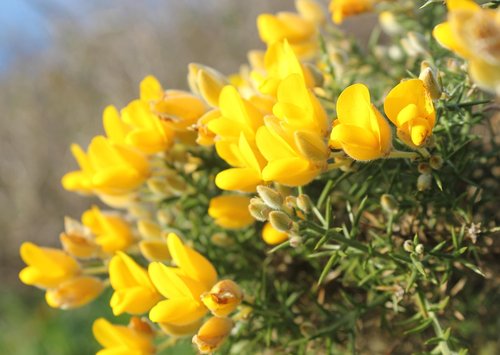
This hardy native shrub provides dense cover and bright yellow flowers. Manage it carefully to create a thorny barrier that shelters small birds.
May 19, 2016 at 5.12 pm
Reply -
ERRIC CATONA
Plant native wildflowers, leave a patch of nettles and provide shallow water. These simple steps support pollinators throughout the growing season.
May 19, 2016 at 5.12 pm
Reply
Foraging
Your email address will not be published.