
Preserving Autumn Fruit in Jams and Chutneys
Making the Most of the Autumn Glut
By late September the hedgerows are heavy and the apple trees are dropping faster than you can eat. If you keep a few hens, a pig or simply a decent vegetable patch, you will know the feeling: the fruit bowl is overflowing, the freezer is full, and the neighbours have started avoiding your doorstep. Preserving is the answer, and jam and chutney are the most forgiving ways to deal with a glut. Both are shelf-stable for a year or more, both use up fruit that would otherwise go to the compost, and both make excellent Christmas presents.
The golden rule is simple: only preserve fruit you would happily eat raw. Windfalls are perfect for chutney as long as you cut out every bruised and maggoty patch. For jam, use sound fruit with a little give.
Sorting and Preparing Your Fruit
Apples and plums are the backbone of the autumn preserving pan. Bramleys break down beautifully and bring their own pectin; eaters and cookers can be mixed freely. Damsons and greengages make a superior jam to most shop-bought plum varieties because they set more readily and taste sharper.
- Apples: peel, core and chop. Keep the peelings and cores – simmer them in a little water for 20 minutes, strain, and use that liquid as a natural pectin stock.
- Plums and damsons: halve and stone. Crack a few stones and simmer the kernels in a muslin bag with the fruit for a faint almond note – remove before potting.
- Hedgerow berries: blackberries, elderberries, rosehips and rowan all work, though elderberries must be cooked thoroughly and rosehips need sieving to remove the irritating hairs. Pick from clean hedges away from busy roads, and always leave plenty behind for the birds.
- Sloes: too astringent for jam until frosted; after the first hard frost they soften and make a decent jelly.
Weigh your prepared fruit after trimming. That weight drives everything else.
Sterilising Jars Properly
This is the step people skip, and it is the one that spoils a batch. Mould in a jar of jam is a waste of a good afternoon's work.
- Wash jars and lids in hot soapy water, rinse well, then place upside down in an oven at 140°C for 15 minutes. Leave them there until the moment you fill them.
- A hot dishwasher cycle works too, provided you fill the jars while they are still hot and steamy.
- Never use chipped jars or rusty lids. Lids with a rubber sealing ring, or new twist-off lids, are best; the old-fashioned lever jars with rubber gaskets still work well if the seals are new.
- Fill jars while the preserve is hot, leaving about 5mm of headspace. Screw lids on firmly, then turn jam jars upside down for two minutes – the hot contents sterilise the lid.
Getting Jam to Set
Jam needs sugar, acid and pectin, plus a fast rolling boil. A good general ratio is 1kg prepared fruit to 1kg preserving sugar for high-pectin fruit like apples, damsons and blackberries. For low-pectin fruit such as elderberries or ripe dessert plums, add the juice of a lemon per kilogram, or stir in a pouch of pectin with the sugar.
Warm the sugar in a low oven before adding it – it dissolves faster and gives a clearer set. Stir until the sugar has completely dissolved, then bring to a hard boil that cannot be stirred down. Start testing after eight minutes. Drop a teaspoon onto a cold saucer, let it cool for a minute, and push it with your finger. If it wrinkles, it is ready. A sugar thermometer should read 104–105°C.
Skim off the scum with a slotted spoon, pot up immediately, and do not stir the pan once it comes off the heat or you will distribute the foam through the jam.
Chutney: Slow, Spiced and Better With Age
Chutney is the natural home for windfalls, green tomatoes and the last of the marrow. The principle is fruit, onion, vinegar, sugar and spice, simmered slowly until thick and glossy.
A reliable starting point for roughly 2kg of chopped fruit: 500g onions, 600ml malt or cider vinegar, 400g soft brown sugar, 100g raisins or sultanas, plus 2 teaspoons each of ground ginger, mustard seed and salt, and a few cloves or a dried chilli. Simmer uncovered for one to two hours, stirring often, until a wooden spoon drawn through leaves a clean channel and no liquid pools at the edges.
- Use a stainless steel or enamel pan. Aluminium reacts with the vinegar and turns everything grey.
- Chutney thickens considerably as it cools, so stop while it still looks slightly loose.
- Cover the surface with a wax disc before sealing, as the vinegar fumes will corrode metal lids over time.
Labelling, Storing and Maturing
Label every batch the day you make it. Write the date, the full list of ingredients, and the fruit varieties if you know them – you will never remember in February whether the dark jar is damson or elderberry. A strip of masking tape and a permanent pen is perfectly adequate, though printed labels look smarter for gifts.
Store in a cool, dark cupboard. Jam keeps for at least twelve months; chutney is best left for four to six weeks before opening, and improves for a year. Check jars after a fortnight – any lid that has popped, leaked or grown a furry rim should be discarded.
There is a real satisfaction in opening a jar of your own hedgerow chutney in the depths of January, with the wind rattling the shed door and the smell of vinegar and spice reminding you of a warm afternoon in the lanes. That, more than anything, is what smallholding is about.
tag: Preserves

Harriet Coombes Author
Select a compact wheat variety and sow in drills during autumn or spring. Even a modest patch can yield grain for home milling and decoration.
YOU MAY ALSO LIKE
Growing Wheat in a Small Garden Plot
Aug 22
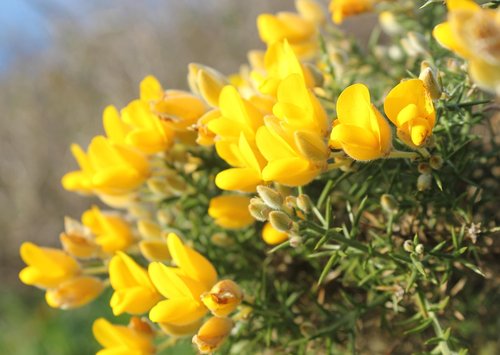
10This hardy native shrub provides dense cover and bright yellow flowers. Manage it carefully to create a thorny barrier that shelters small birds.
read more
Cultivating Gorse for Wildlife and Boundaries
Aug 19
10Plant native wildflowers, leave a patch of nettles and provide shallow water. These simple steps support pollinators throughout the growing season.
read moreSmallholding
-

ERRIC CATONA
Listen for tawny, barn and little owl calls after dusk. Distinctive hoots and screeches help identify which birds share your local countryside.
May 19, 2016 at 5.12 pm
Reply
ERRIC CATONA
Harvest flexible willow rods in winter and soak them before weaving. Simple obelisks and hoops add rustic charm while supporting climbing plants.
May 19, 2016 at 5.12 pm
Reply -
ERRIC CATONA
Collect birch twigs and bind them tightly onto a hazel handle. A handmade besom is ideal for sweeping paths, hearths and workshop floors.
May 19, 2016 at 5.12 pm
Reply
Foraging
Your email address will not be published.