

Companion Planting in a Kitchen Garden
Why Companion Planting Earns Its Place
On a British smallholding, every square foot of the kitchen garden has to work hard. You do not have the luxury of vast fields or endless rows. Companion planting is not a romantic notion; it is a practical tool that uses the natural habits of plants to confuse pests, improve growth, and make the most of your soil. The idea is simple: some plants grow better together than they do apart. They may repel harmful insects, attract beneficial ones, provide shade, or fix nitrogen from the air. For anyone with a raised bed, an allotment plot, or a few pots by the back door, these partnerships are worth learning. And the best place to start is with two classic combinations that have stood the test of time on these islands.
Carrots and Onions: A Marriage of Convenience
Carrot root fly is the bane of many a British gardener. The adult fly lays eggs near the base of carrot plants, and the resulting larvae tunnel into the roots, leaving you with brown, bitter, unusable carrots. Onions, however, release a strong sulphur-based scent that masks the smell of carrots. The fly struggles to find its target. In return, the carrots help to repel onion fly. Plant them in alternating rows—a row of carrots, then a row of onions, then carrots again. Space them about 15 cm apart. On light, sandy soils where carrot fly is worst, this pairing can make the difference between a decent crop and a ruined one. Use spring onions or bulb onions; both work. Do not thin carrots on a windy day, as the smell of crushed foliage attracts the fly. Water the rows after thinning to settle the soil. For best results, choose a carrot variety with good resistance, such as 'Flyaway', and an onion set that suits your region. This pairing also saves space, as the onions mature before the carrots need the room.
Beans and Sweetcorn: The Three Sisters in Miniature
Climbing French beans or runner beans grow up sweetcorn stalks with ease. The beans fix nitrogen from the air into little nodules on their roots, feeding the hungry sweetcorn. The sweetcorn provides a sturdy natural support, so you need fewer canes. The dense foliage of the beans can also help to hide the sweetcorn from pests such as birds and aphids. In a traditional Three Sisters planting, squash is added to shade the soil and suppress weeds, but on a small scale, beans and sweetcorn alone are a powerful pair. Sow sweetcorn in blocks rather than single rows, as it is wind-pollinated. Then plant two bean seeds at the base of each corn stalk once the corn is about 30 cm tall. Keep the ground moist and mulch well. The beans will climb the corn, and you can harvest cobs and pods from late summer into autumn. This combination is ideal for a sunny, sheltered spot. Avoid growing climbing beans with onions or garlic, as the alliums can stunt their growth.
Rotating Your Combinations for Healthier Soil
Companion planting works best when it is part of a rotation. If you grow carrots and onions in the same bed year after year, pests and diseases build up in the soil. Carrot fly pupae overwinter in the ground, and onion white rot can persist for decades. Instead, move your combinations around a three- or four-year cycle. A simple plan: Year one, grow carrots and onions together in bed A. Year two, move that pairing to bed B, and plant beans and sweetcorn in bed A. Year three, shift again, and use the vacated beds for brassicas or potatoes. This rotation starves pests of their favourite hosts. It also balances soil nutrients. Legumes like beans leave nitrogen behind, which benefits leafy crops the following season. Root crops like carrots prefer soil that was manured for a previous crop, not freshly enriched. By rotating your companion pairs, you break disease cycles and keep the soil biology diverse and healthy.
Other Trusty Pairings for the British Plot
Once you have mastered the classics, try a few more. Lettuce and radishes grow well together; radishes loosen the soil and are ready to pull before the lettuce needs the space. Nasturtiums draw blackfly away from beans and brassicas, acting as a sacrificial trap crop. Borage is a magnet for bees and improves the flavour of strawberries, though it self-seeds freely. Garlic and roses are a traditional pairing, but in the kitchen garden, garlic planted near fruit trees can deter aphids. Chives and parsley make good edging plants; their scent confuses carrot fly and aphids. Marigolds (both French and African) exude a substance from their roots that suppresses root-knot nematodes. Plant them thickly among tomatoes and potatoes. Even a few flowers can make a difference. The key is to observe your plot. What works in a damp Cornish valley may not work in dry East Anglia. Keep notes each season.
Making It Work Through the Year
Start small. Pick one bed and try carrots with onions this spring. For beans and sweetcorn, wait until the soil has warmed to at least 10°C—usually late May in most parts of the UK. Direct sow beans at the same time. Water deeply once a week rather than little and often, encouraging deep roots. Watch for slugs, which love young beans and corn. At the end of the season, chop and drop the spent plants as a mulch, but remove any diseased foliage. Then rotate your beds. This rhythm—pair, grow, harvest, rotate—builds a garden that gets better each year.
tag: Kitchen Garden

Harriet Coombes Author
Use deep pots with drainage for rosemary, mint and thyme. Regular picking keeps leaves tender and brings fresh flavour to everyday cooking.
YOU MAY ALSO LIKE
Growing Herbs in Containers on a Patio
Jul 24
10Check stored carrots, beetroot and potatoes regularly for rot. Keep them cool, dark and rodent-free in clamps, boxes or hessian sacks.
read more
Storing Root Vegetables Through the Winter
Jul 18
10Secure gates, move livestock to sheltered fields and check drainage before gales arrive. A written emergency plan protects animals, buildings and family.
read moreSmallholding
-

ERRIC CATONA
Goats need sturdy fencing, dry bedding and constant access to browse. They reward careful keepers with milk, manure and lively company.
May 19, 2016 at 5.12 pm
Reply
ERRIC CATONA
Mix hawthorn, blackthorn and hazel for a dense boundary that supports wildlife. Cut hedges in late winter to avoid disturbing nesting birds.
May 19, 2016 at 5.12 pm
Reply -
ERRIC CATONA
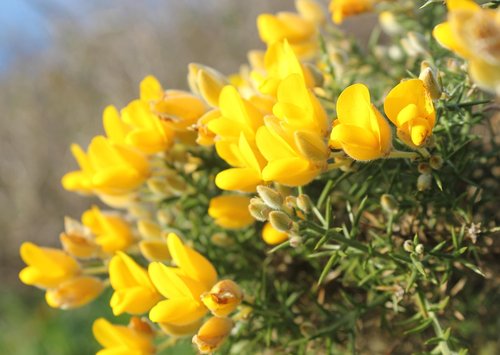
Gorse flowers were once infused for tonics, while ashes served as soap. Learn historical uses without harming this valuable native shrub.
May 19, 2016 at 5.12 pm
Reply
Foraging
Your email address will not be published.