

Seasonal Tasks on a British Smallholding
Spring: Lambing, Planting and the Great Awakening
Spring on a smallholding rarely arrives gently. One week you are chipping ice from the water troughs, the next the ewes are bagging up and the ground is too wet to walk on, let alone work. The trick is to have everything ready before the first daffodil shows its head.
If you keep sheep, lambing is the anchor of the season. Check your lambing kit well in advance: gloves, lubricant, iodine, stomach tubes, colostrum powder and a clean, draught-free pen. Most ewes will manage perfectly well on their own, but you will want to be there for the ones that do not. Keep a note of which ewes lambed easily and which needed a hand — it informs your breeding decisions for years to come. A ewe that needed assistance twice is a ewe to think carefully about.
Away from the lambing shed, spring is about soil. As soon as the ground is workable, get your beds forked over and your early crops in: broad beans, peas, early potatoes, onions and garlic. Protect them with cloches or fleece, because a late frost in May can undo a fortnight of careful work. This is also the moment to spread muck on any ground that is resting, and to check hedgerows before the birds nest in earnest.
Summer: Hay, Water and the Long Days
Summer days are long and there never feel like enough of them. Haymaking dominates June and July. Watch the forecast closely — you want three or four dry days to cut, turn, row up and bale. If the weather looks unsettled, wrap it as haylage instead and accept the compromise. Better a decent bale of haylage than a spoiled crop of hay.
Water becomes the defining task. Check troughs daily in hot spells, and make sure livestock have shade. For the vegetable garden, water deeply and less often rather than little and often; it encourages roots to go down. Mulch around your tomatoes, courgettes and fruit bushes to hold moisture in.
Pests and predators step up their game too. Net your soft fruit against the birds, keep an eye out for cabbage white caterpillars, and check that foxes are not eyeing up your hens. If you keep poultry, a secure run and an electric fence are worth their weight in gold.
And do not forget yourself. Work early in the morning and late in the evening, and take a proper break in the heat of the day. Smallholders are notoriously bad at this.
Autumn: Harvest, Preserves and Putting Things By
Autumn is the reward season, but it is also the busiest. The vegetable plot delivers its glut — courgettes, beans, tomatoes, apples, plums — and it is a race to get it preserved before it spoils. This is where a well-stocked pantry earns its keep: chutneys, jams, passata, dried herbs, frozen beans, pickled onions. If you have grown it, learn to keep it.
Root crops can stay in the ground well into winter, but lift anything you want to store and check it carefully for damage. Only perfect specimens go into the clamp or the shed; the rest go to the kitchen. Onions and garlic need drying thoroughly before plaiting or stringing.
Autumn is also preparation time for livestock. Bring in hay and straw, check the housing, mend fences before the ground gets too soft to drive posts, and clip and condition any animals going into winter. Rams go in with the ewes now for spring lambs, so plan your tupping dates carefully.
Winter: Maintenance, Planning and Quiet Work
Winter slows things down, but it does not stop them. Livestock still need feeding, watering and checking twice a day, and ice on troughs is a daily battle. Keep a hammer or a good boot handy.
This is the season for the jobs you have been putting off. Work through them steadily and the spring will feel far less frantic:
- Sharpen tools, service machinery and check your first aid kit
- Repair gates, fences and any leaky stock shelters
- Clean out sheds and spread muck on resting ground
- Review your records from the year and note what worked and what did not
- Order seeds and plan next season's crop rotation
A simple three- or four-year rotation for the vegetable plot saves you endless grief with pests and soil exhaustion. And keep an eye on the weather — hard frosts and snow can arrive quickly and catch you out.
Keeping the Plan Flexible
The one thing every smallholder learns is that the calendar is a guide, not a contract. A wet spring delays everything; a dry summer changes your priorities; a hard winter eats into your feed stocks. Build slack into your plans and you will cope with far more than you expect.
Keep a simple notebook or wall diary and jot down what you actually did, week by week. It becomes a brilliant reference, and it is surprisingly cheering to look back on in February. When something goes wrong — and plenty will — do not panic. Wildlife, weather and the odd escaped pig are all part of the deal.
The rhythm of the seasons is what draws most of us to this life in the first place. Work with it rather than against it, and the smallholding will repay you handsomely.
tag: Seasonal Notes

Eleanor Hartley Author
Identify broad green leaves and a distinct garlic scent before picking. Use the leaves in pesto, soups and butters for a fresh spring flavour.
YOU MAY ALSO LIKE
Foraging for Wild Garlic in Ancient Woodlands
Sep 9
10Learn to recognise sloes, damsons and blackberries safely. Always leave plenty for birds and avoid busy roads when gathering your harvest.
read more
A Beginner's Guide to Hedgerow Berries
Sep 3
10Gather fragrant elderflower heads on a dry morning and steep them with sugar and lemon. The resulting cordial captures early summer in a bottle.
read moreSmallholding
-

ERRIC CATONA
Use windfall apples, plums and hedgerow berries to make shelf-stable preserves. Sterilise jars properly and label each batch with its ingredients.
May 19, 2016 at 5.12 pm
Reply
ERRIC CATONA
Select a compact wheat variety and sow in drills during autumn or spring. Even a modest patch can yield grain for home milling and decoration.
May 19, 2016 at 5.12 pm
Reply -
ERRIC CATONA
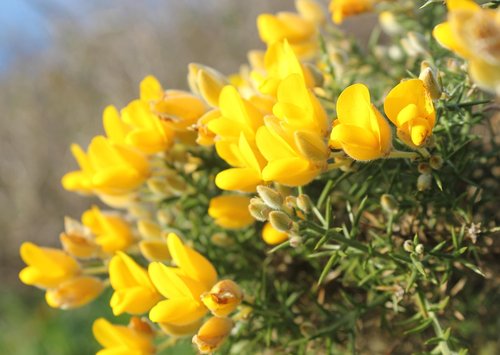
This hardy native shrub provides dense cover and bright yellow flowers. Manage it carefully to create a thorny barrier that shelters small birds.
May 19, 2016 at 5.12 pm
Reply
Foraging
Your email address will not be published.