

Making Simple Elderflower Cordial at Home
A Taste of Early Summer
There is a fortnight in late May and early June when the British countryside smells faintly of lemon sherbet and warm dust. The elder is in flower, and every lane, hedgerow and railway embankment is creamed with great flat plates of tiny white blossom. It is one of the most generous foraging moments of the year, and it asks almost nothing of you beyond a basket and a free morning.
Elderflower cordial is the easiest thing you can make from that harvest. You are not brewing, fermenting or preserving in any complicated sense. You are simply steeping flowers in sweetened water with lemon, then straining the lot into bottles. The result keeps for months in a cool cupboard, and a splash of it in cold water or a glass of something fizzy tastes precisely like the start of summer.
Picking Elderflowers Well
The elder (Sambucus nigra) is a shrub or small tree with woody, often hollow stems and crinkled, pungent leaves. The flowers grow in wide, flat-topped heads up to the size of a saucer. Pick heads that are fully open and a creamy off-white, with the tiny individual flowers fresh and loose. Buds that have barely cracked are fine too, but heads that have gone brown, droopy or dusty should be left well alone — they will taste of stale hay.
Choose a dry morning after a couple of dry days. Rain washes the scent and the pollen away, and damp heads go mouldy quickly in the bag. Take a shallow basket or a wide tub rather than a plastic bag, so the heads do not crush and heat up.
A few practical rules:
- Pick from hedgerows away from busy roads, where exhaust and spray are least likely.
- Never strip a bush bare. Take no more than a couple of heads from any one plant, leaving plenty for the birds and for the autumn berries.
- Shake each head gently over the bush to dislodge insects before it goes in the basket.
- On private or common land, ask first. Picking flowers for personal use is generally accepted, but uprooting is not, and nature reserves have their own rules.
- Do not confuse elder with dwarf elder or with the umbellifers such as hogweed. Elderflower grows on a woody shrub; dwarf elder is a soft green herbaceous plant with an unpleasant smell.
What You Will Need
For roughly two litres of cordial, gather the following:
- 25 to 30 large elderflower heads, freshly picked and still fragrant
- 1.5 kg granulated sugar
- 1.5 litres water
- 3 unwaxed lemons, washed and sliced
- 50 g citric acid (optional but recommended for keeping quality)
- A large pan, a big bowl or bucket, muslin or a clean tea towel, and sterilised bottles
Citric acid is sold in chemists and home-brew shops and is not the same as lemon juice, though the two work together. It sharpens the flavour and helps the cordial last. If you would rather leave it out, plan to keep the cordial in the fridge and use it within a month.
Making the Cordial
Warm the water and sugar in a large pan over a low heat, stirring until the sugar has completely dissolved. Do not let it boil hard. Once the syrup is clear, take it off the heat and let it cool to blood temperature — warm enough to draw out the oils, cool enough not to cook the flowers.
While it cools, give the elderflower heads a final inspection. Pick off any leaves, and snip away as much of the green stalk as you can be bothered to. Elder leaves, stems and roots contain compounds best left out of your drink, and the less green material in the pan, the cleaner and more floral the final taste. A few short stalks are fine; long woody ones are not.
Tip the heads into the cooled syrup along with the lemon slices and the citric acid if using. Push them under the liquid with a clean plate or a weighted saucer. Cover the pan with a lid or a tea towel and leave it somewhere cool for 24 hours, or up to 48 if the weather is cool and you want a fuller flavour. Stir once a day.
Taste as you go. After a day the liquid should be perfumed and slightly sharp; after two it may start to turn grassy. Strain as soon as it tastes right.
Straining, Bottling and Storing
Line a colander with a double layer of muslin or a clean tea towel and set it over a large bowl. Ladle in the flowers and syrup and let it drip through without pressing — squeezing the pulp makes the cordial cloudy and bitter. When it has finished dripping, pour the cordial into sterilised bottles through a funnel.
Seal the bottles and store them somewhere cool and dark. With citric acid, the cordial will keep for six months or more. Without it, keep it in the fridge and use within four to six weeks. Once opened, refrigerate and use within a few weeks. If you notice a fizzy smell, a cloudy bloom or a sour tang, tip it out.
Ways to Use It, and Simple Variations
Dilute to taste — roughly one part cordial to five parts water — over ice, or top it up with sparkling water or lemonade. A measure in a gin and tonic, a drizzle over poached gooseberries or a spoonful stirred into yoghurt all work beautifully. It is also very good in a dressing for a summer salad, or frozen into ice lollies with chopped strawberries.
Once you have the basic method, it invites tinkering:
- Swap one lemon for an orange for a rounder, softer cordial.
- Add a thumb of fresh root ginger, sliced, during the steep.
- Drop in a few sprigs of mint or lemon verbena for the last few hours.
- Simmer the finished cordial briefly with a little extra sugar and set it to make elderflower jelly.
Make a batch or two while the blossom is at its best. Come December, when the hedges are bare and the light is thin, a glass of it will bring the whole of June back in an instant.
tag: Preserves

Harriet Coombes Author
Use windfall apples, plums and hedgerow berries to make shelf-stable preserves. Sterilise jars properly and label each batch with its ingredients.
YOU MAY ALSO LIKE
Preserving Autumn Fruit in Jams and Chutneys
Aug 27
10Select a compact wheat variety and sow in drills during autumn or spring. Even a modest patch can yield grain for home milling and decoration.
read more
Growing Wheat in a Small Garden Plot
Aug 22
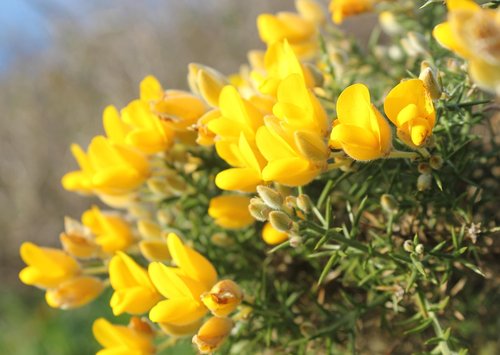
10This hardy native shrub provides dense cover and bright yellow flowers. Manage it carefully to create a thorny barrier that shelters small birds.
read moreSmallholding
-

ERRIC CATONA
Plant native wildflowers, leave a patch of nettles and provide shallow water. These simple steps support pollinators throughout the growing season.
May 19, 2016 at 5.12 pm
Reply
ERRIC CATONA
Listen for tawny, barn and little owl calls after dusk. Distinctive hoots and screeches help identify which birds share your local countryside.
May 19, 2016 at 5.12 pm
Reply -
ERRIC CATONA
Harvest flexible willow rods in winter and soak them before weaving. Simple obelisks and hoops add rustic charm while supporting climbing plants.
May 19, 2016 at 5.12 pm
Reply
Foraging
Your email address will not be published.