

Using Gorse in Traditional Country Remedies
Why Gorse Was Once a Countryside Staple
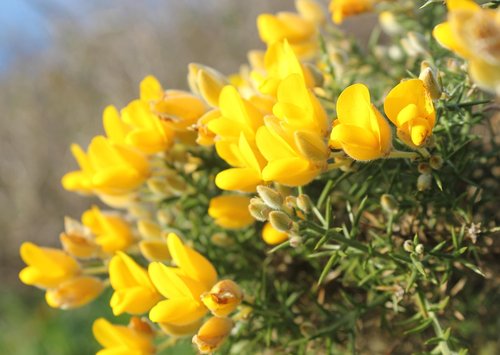
Gorse — furze or whin in different parts of Britain — is a prickly character. To a walker it is a nuisance; to a country person it was a larder, a medicine chest, a fuel source and a fence all in one. Its coconut-scented yellow flowers light up heaths, hedgerows and rough grazing from late winter into summer, and often again in autumn. Long before pharmacies existed, smallholders used every part without destroying the bush.
The trick, then as now, is to take only what you need and leave the plant thriving. Gorse fixes nitrogen, shelters nesting birds and feeds early bees. So let us look at the old uses with respect for the shrub that provided them.
Gorse Flower Infusions and Tonics
Gorse flowers were the gentlest part of the plant and the most widely used. Country herbalists infused them for sluggish liver, jaundice, kidney troubles and the lingering coughs of a damp British winter. A simple tea was made by pouring just-boiled water over two teaspoons of fresh flowers per mug and steeping for five to eight minutes. Some added honey, others a slice of lemon. The result is a pale yellow, mildly astringent drink with a faint coconut aroma.
Stronger infusions were taken as a bitter spring tonic, when diets had been short of fresh greens for months. Gorse flower wine was another favourite: a gallon of flowers, a gallon of water, sugar, yeast and a lemon, fermented and bottled. Recipes varied from parish to parish. Modern foragers make gorse flower cordial or sugar by layering blossoms with sugar and leaving them to infuse. These are pleasant, not medicines. If you are pregnant, breastfeeding, on prescription drugs or unsure about a health condition, speak to a herbalist or doctor before trying gorse internally.
From Ash to Soap and Scouring Powder
The woody, prickly stems burn fiercely and leave a fine grey ash rich in potash. That ash was the basis of a rough household soap. The old method was to burn dried gorse in a clean grate, sieve the cooled ash, then mix it with rainwater in a barrel. After a day or two the water was drawn off as a crude lye. This was combined with melted animal fat — tallow, lard or kitchen scraps — and stirred over a low fire until it thickened into a soft, dark soap. It was harsh stuff, and the lye itself is caustic, so it was handled with care and never used neat on skin.
- Scouring powder: Dry ash was rubbed onto greasy pots, pans and stone hearths with a rag or straw.
- Laundry aid: A little ash in hot water helped shift grime from work clothes.
- Soft soap: The lye-and-fat mixture cleaned floors and buckets — not the bath.
If you try making lye soap today, research it properly and wear gloves and eye protection. The historical point is that gorse was once a household staple.
Fuel, Fodder and Field Boundaries
Gorse was cut for fuel in faggots — bundles of dry stems tied tightly together. Because it burns hot and fast, it was ideal for bread ovens and for firing up a copper on wash day. A gorse fire needs constant attention, but it gives a fierce heat few woods can match.
It was also fodder. Farmers used a gorse mill, a simple machine with rollers that crushed the spines, turning stems into palatable feed for cattle and horses, especially in winter when hay was short. Crushed gorse was mixed with chaff or turnips. And gorse made a stock-proof hedge. Planted thickly and trimmed, it became an impenetrable barrier that sheltered livestock and gave birds a place to nest. No sensible smallholder would have cleared it without good reason.
Harvesting Gorse Without Harming It
If you want to try gorse flowers, pick responsibly. The flowers are the only part you should take. Use gloves — the spines are unforgiving — and pinch or snip blossoms from the top of the bush where they are most abundant. A small handful from each plant is plenty. Leave stems, roots and the majority of flowers for wildlife.
- Check permission: On common land, nature reserves, Sites of Special Scientific Interest or private land, you need permission before picking.
- Avoid sprays: Never pick from roadside verges or field margins treated with herbicide.
- Leave the roots: Uprooting is illegal without permission and destroys valuable habitat.
- Mind the bees: If a bush is buzzing, move on.
Simple Ways to Try Gorse at Home
For a gentle introduction, make a small pot of gorse flower tea. Use fresh flowers in spring or early summer and drink it within a day. You can also make gorse flower sugar by filling a jar with alternating layers of flowers and caster sugar, sealing it, and leaving it in a cool cupboard for a week. Sieve out the flowers and use the sugar in shortbread, sponge cakes or over porridge. Gorse flower vinegar is another old favourite: pack a jar with flowers, cover with cider vinegar, leave for a fortnight, then strain. It adds a curious coconut note to salad dressings.
None of these are medicines and none should replace proper medical care. But they are a lovely way to connect with a plant that has earned its place in the British countryside. Treat the gorse with respect, take only a little, and it will reward you year after year — just as it did for the smallholders and cottagers who came before us.
tag: Country Crafts

Oliver Pemberton Author
Prick frozen sloes and cover with gin and sugar in a sterilised jar. Shake weekly and wait at least three months for a smooth liqueur.
YOU MAY ALSO LIKE
Making Sloe Gin for Cold Evenings
Jun 27
10Heathland offers bilberries, mushrooms and pine needles across the seasons. Always follow local byelaws and take only what you can use.
read more
A Year of Foraging on the Heath
Jun 22
10Plan your land, budget and daily routine before buying livestock or seeds. Careful preparation makes the transition to rural life far smoother.
read moreSmallholding
-

ERRIC CATONA
Consider acreage, shelter and daily time commitments before adding animals. Hens, sheep or goats each bring different rewards and challenges to a holding.
May 19, 2016 at 5.12 pm
Reply
ERRIC CATONA
Create a sturdy home for your flock using pallets and reclaimed timber. Good ventilation and secure latches keep birds safe from foxes and bad weather.
May 19, 2016 at 5.12 pm
Reply -
ERRIC CATONA
From spring lambing to autumn preserves, each season brings its own rhythm. Keep a flexible plan so weather and wildlife do not derail essential jobs.
May 19, 2016 at 5.12 pm
Reply
Foraging
Your email address will not be published.